Greige Noble Wilde Stripe Poncho - Charcoal Or Bahama
Free worldwide shipping, tax free!
- Greige Noble Wilde Stripe Poncho - Charcoal Or Bahama
- SKU: EN-1116514476
- Category: Greige
- Tag: Greige
Main Features & Information
Noble Wilde Stripe Poncho - Charcoal or Bahama
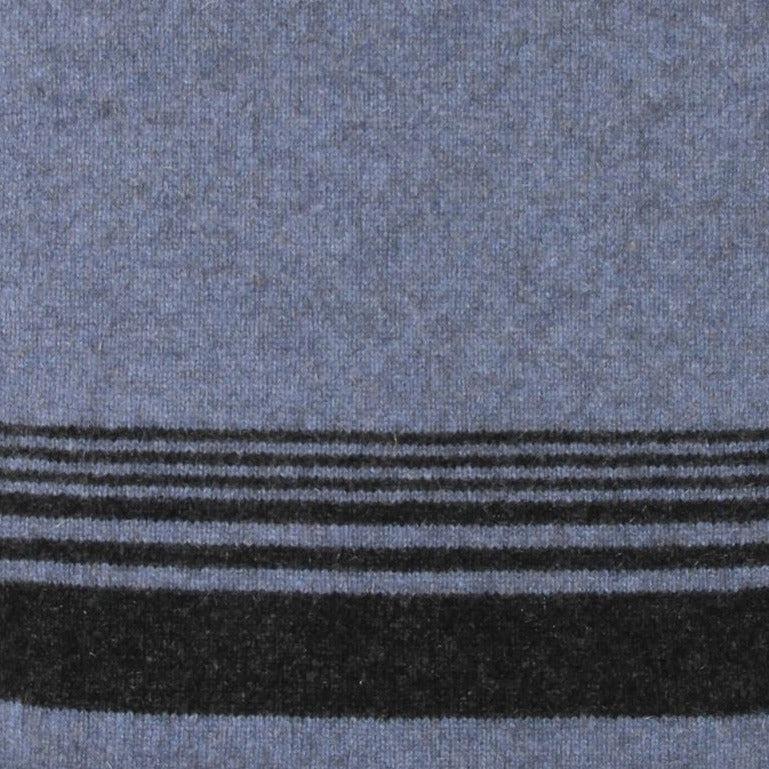
This asymmetric poncho is enhanced by the contrast stripe, soft finish crew neck and is finished off with reverse knit border.
This design simply slips over your head - the perfect garment for popping over a long shirt or t-shirt, or over a simple dress. Add warmth and style with this gorgeous and versatile piece. Once you've invested in a possum/merino mix item we promise that you will be back for more... the special mix of fibres is just so lightweight, yet extremely warm, cosy and easy-care (absolutely no bobbling - unlike cashmere for example) and looks like new even after a whole season of wear.
Model is wearing colour Charcoal/Shale.
Composition
53% Merino, 40% Possum Fur, 7% silk (see information below on environmental/sustainable issues regarding eco-friendly possum fur.)Size: One SizeInformation on Noble Wilde use of Possum Merino MixFor over three decades Noble Wilde has perfected the blending of two of the most exceptional natural fibres in the world, the dense silken wool of Merino, and the luxuriant fur of the possum. Together these materials form a velvety soft yarn, unsurpassed in warmth and durability. Merino and possum have outstanding qualities, tactile, functional and ethical. The Possum Fur when combined with Merino Wool produces an exceptionally soft and warm yarn that is both lighter and warmer than wool on its own. The resultant knitwear is light, warm, very breathable and luxuriantly soft.
Brushtail possums were first introduced into New Zealand from Australia in 1837 to establish a fur industry. By 1900 the reported damage to native flora and fauna, crops and orchards prompted the government to commission investigations by two of the country's leading botanists. It was agreed that the potential long-term effects on the environment if left unchecked would be devastating.
By the 1940’s, evidence of damage by possums to New Zealand’s forest increased. The need for action on a national scale was recognised, and in 1951 a bounty was placed on the animal, but this did little to control the increasing and expanding population of possums.
In the early 1960's possums had spread to 84% of the country.